March 31, 2026
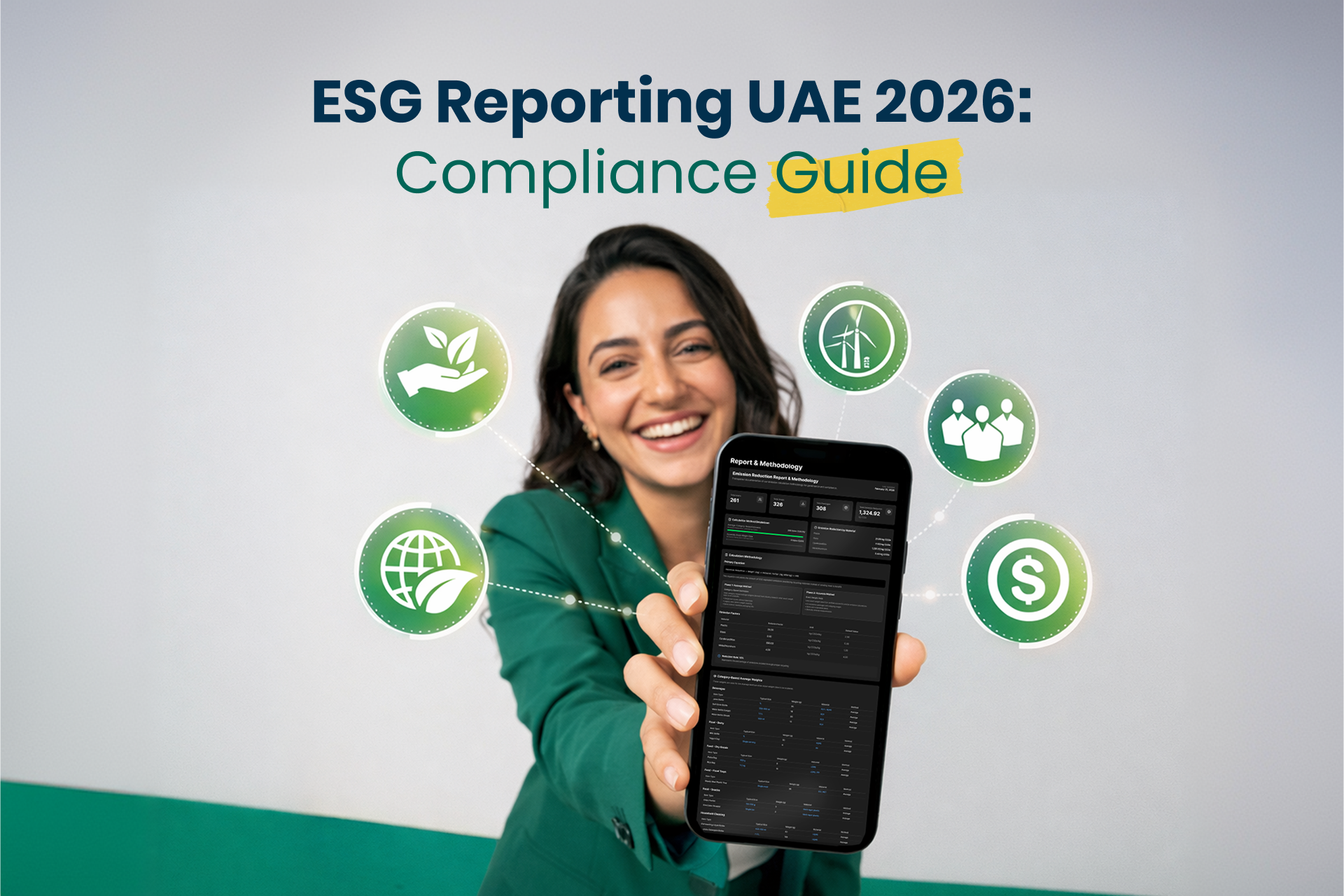
ESG Reporting in the UAE: What Companies...
Environmental, Social, and Governance (ESG) reporting is no longer something to think...

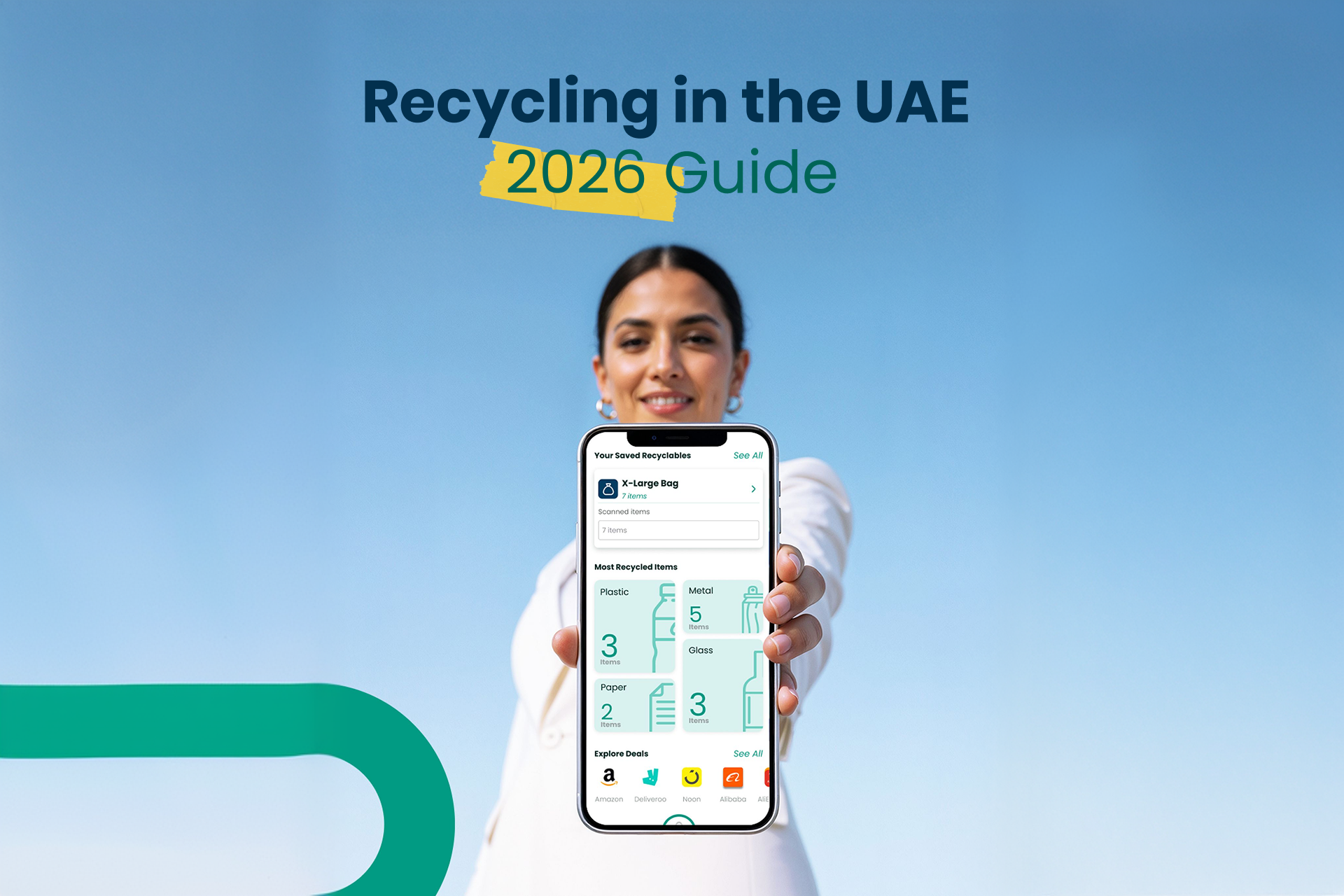
As sustainability continues to take center stage across the region, understanding recycling in the UAE has become more important than ever for residents, businesses, and policymakers alike. With evolving environmental goals and new national initiatives, individuals are increasingly encouraged to adopt responsible waste practices. If you are looking to Learn about recycling solutions in the UAE, this guide will help you understand how recycling works across the country and how you can contribute effectively in 2026.
The UAE has made significant progress toward creating a circular economy, where waste is minimized, and resources are reused efficiently. From government-led initiatives to private sector participation, recycling is now a shared responsibility that supports long-term sustainability goals.
Recycling plays a critical role in protecting the environment and supporting long-term sustainability. In the UAE, recycling helps reduce landfill waste, conserve natural resources, and lower the overall carbon footprint generated by daily consumption.
With rapid population growth, urban development, and increased consumption, the amount of waste generated in cities across the UAE has grown significantly in recent years. Without effective recycling systems, large quantities of recyclable materials would end up in landfills, contributing to environmental pollution and unnecessary resource depletion.
By participating in recycling initiatives, individuals and businesses can actively contribute to a cleaner and more sustainable future. Recycling helps transform waste materials into new resources, reducing the need for raw material extraction and minimizing environmental damage.
When residents take part in recycling efforts, they help:
In line with the UAE Net Zero 2050 Strategy, recycling is no longer considered optional. It is becoming an essential part of everyday life, helping the country transition toward a circular economy where materials are reused and resources are conserved.
Before exploring the most common recyclable materials, it is important to understand the basic recycling rules in the UAE. Following these guidelines ensures that recycling systems operate efficiently and that recyclable materials can be properly processed.
Recycling programs rely on proper waste separation and responsible disposal. When recyclable materials are mixed with general waste or contaminated with food, the recycling process becomes much more difficult.
The following are some of the key recycling rules UAE residents should follow:
Although recycling regulations may vary slightly between emirates, the fundamental principle remains the same across the country: waste segregation at the source is essential for effective recycling.
By adopting simple recycling habits at home, residents can significantly improve recycling efficiency and reduce contamination rates.
Many residents often ask where to recycle in the UAE and how to find nearby recycling facilities. Over the past decade, recycling infrastructure has expanded significantly across the country, making it easier for individuals to dispose of recyclable materials responsibly.
Today, recycling bins and collection points are widely available in both public and private spaces. You can commonly find recycling facilities in:
In addition to physical recycling points, several municipalities and waste management authorities provide scheduled recycling collection services for households and businesses. These services encourage responsible waste disposal while making recycling more convenient for residents.
As sustainability initiatives continue to grow across the country, more communities are introducing dedicated recycling hubs and smart waste collection systems to support responsible recycling behavior.
Dubai has become one of the leading cities in the region when it comes to implementing innovative recycling solutions. The emirate has made significant investments in smart waste management infrastructure and advanced recycling technologies to improve waste diversion rates.
One of the key strategies in Dubai’s sustainability plan is the integration of technology into recycling systems. Smart waste bins, automated sorting facilities, and real-time monitoring systems are helping increase the efficiency of recycling operations across the city.
Some of the key developments driving recycling in Dubai include:
These initiatives are part of Dubai’s broader environmental strategy to reduce landfill waste and promote responsible consumption.
By encouraging both individuals and organizations to recycle more effectively, Dubai is supporting the UAE’s overall goal of becoming a global leader in sustainability.
Understanding how recycling bins work in the UAE is one of the easiest ways residents can contribute to sustainability efforts. Recycling bins are designed to separate materials by type so they can be processed efficiently at recycling facilities.
Most recycling systems in the UAE divide waste into several main categories. These categories typically include:
To make sorting easier for residents, many recycling stations use color-coded bin systems that clearly indicate where each material should be disposed of. This approach helps reduce contamination and ensures that recyclable materials are processed correctly.
Proper use of recycling bins is essential for maintaining effective recycling programs. When materials are correctly sorted, recycling facilities can recover more resources and reduce the amount of waste sent to landfills.
There are several recycling programs that UAE residents can participate in to play their part in sustainable development and conservation.
Some of the best recycling programs in the UAE include:
These programs help foster long-term behavioral change and promote responsible consumption.
As stated earlier, businesses are crucial to the success of recycling. Businesses can help the cause by setting up recycling programs in their offices or workspaces.
This can be done by:
Such efforts align with ESG goals and enhance corporate responsibility.
By 2026 and beyond, recycling will become more mainstream with the help of:
These advancements will help the UAE move closer to its sustainability ambitions.
Fast-moving and backed by government initiatives, public participation, and technological innovations, recycling in the UAE has come a long way. Either as an individual or an organization, knowing about the recycling rules in the UAE and taking part in the recycling programs in the UAE cities, if you haven’t already started, can make a significant impact.
Start today and help create a greener tomorrow for the UAE.
Environmental, Social, and Governance (ESG) reporting is no longer something to think...
As sustainability continues to take center stage across the region, understanding recycling...

Welcome to eGreenBadge! This video shows you exactly how to get started...