
October 22, 2026
eGreenBadge Founder Farah Alkhateeb Featured in UAE...
Farah Alkhateeb, the founder of eGreenBadge, was recently profiled by UAE Stories...

You can’t just pick up trash and throw it away anymore. Traditional systems are struggling to keep up with the growing number of people living in cities, stricter sustainability rules, and greater environmental awareness. Smart recycling bins are the answer. They offer a better, more responsible, and smarter way to deal with trash.
These solutions are changing how people, businesses, and cities think about recycling by using AI, real-time data, and connected infrastructure. Smart technologies are making waste management faster, smarter, and more effective by reducing pollution and tracking progress.
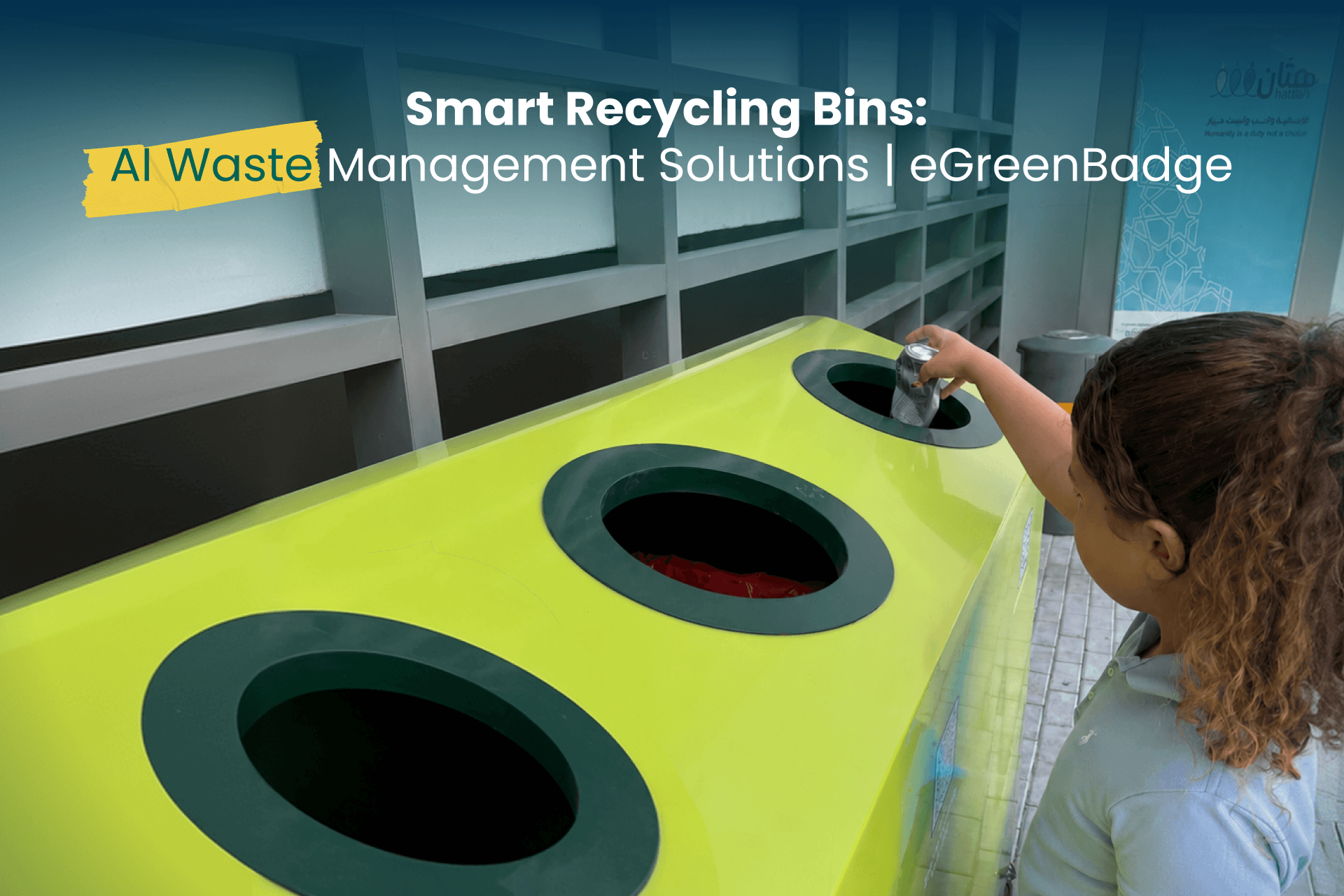
Smart recycling bins are high-tech waste collection systems with sensors, AI algorithms, and connectivity features that help them sort, identify, and manage waste more effectively than regular bins.
They don’t just hold trash like regular bins; they also look at it. AI recycling bins can distinguish between plastic, paper, and metal using technologies such as computer vision and machine learning. This makes sure that the materials are sorted correctly at the source.
These features enable intelligent recycling, turning waste into a measurable, manageable byproduct rather than a passive byproduct.
Artificial intelligence is the core of modern AI-powered bins. It allows systems to learn, adapt, and improve over time, making recycling more accurate and scalable.
AI systems use cameras to analyze trash and identify what it is when it is thrown away. The system can sort items in real time based on their shapes, textures, and materials.
The AI can instantly recognize a plastic bottle thrown into the trash and send it to the right compartment. This helps reduce contamination, one of the biggest problems with traditional recycling.
Machine learning helps smart bins get more accurate over time. The system gets better at spotting different kinds of waste as it processes more data.
This means:
Smart bins collect useful information about how people throw away things, such as:
This data is essential for organizations and governments looking to implement effective smart waste management strategies.
Cities produce massive amounts of waste every day. Managing this efficiently requires more than just infrastructure; it requires intelligence.
Smart recycling bins play a central role in building smart waste management systems that are:
Traditional waste collection follows fixed schedules, which often leads to inefficiencies. Smart bins use sensors to monitor fill levels and notify collection teams when they need to be emptied.
This results in:
By ensuring proper sorting at the source, AI recycling bins significantly improve recycling accuracy. This reduces contamination and increases the amount of waste that can actually be recycled.
Governments and organizations are under increasing pressure to meet sustainability targets. Smart bins provide measurable data that helps track progress and demonstrate real impact.
The adoption of smart bins in the UAE is accelerating, driven by ambitious sustainability initiatives and smart city strategies.
Cities across the UAE are investing in advanced waste management technologies to:
Smart recycling bins are becoming a key part of these initiatives, helping organizations and communities adopt more responsible waste practices.
The impact of smart recycling bins goes far beyond convenience. They offer clear environmental, operational, and economic advantages.
Companies can use smart bin data to:
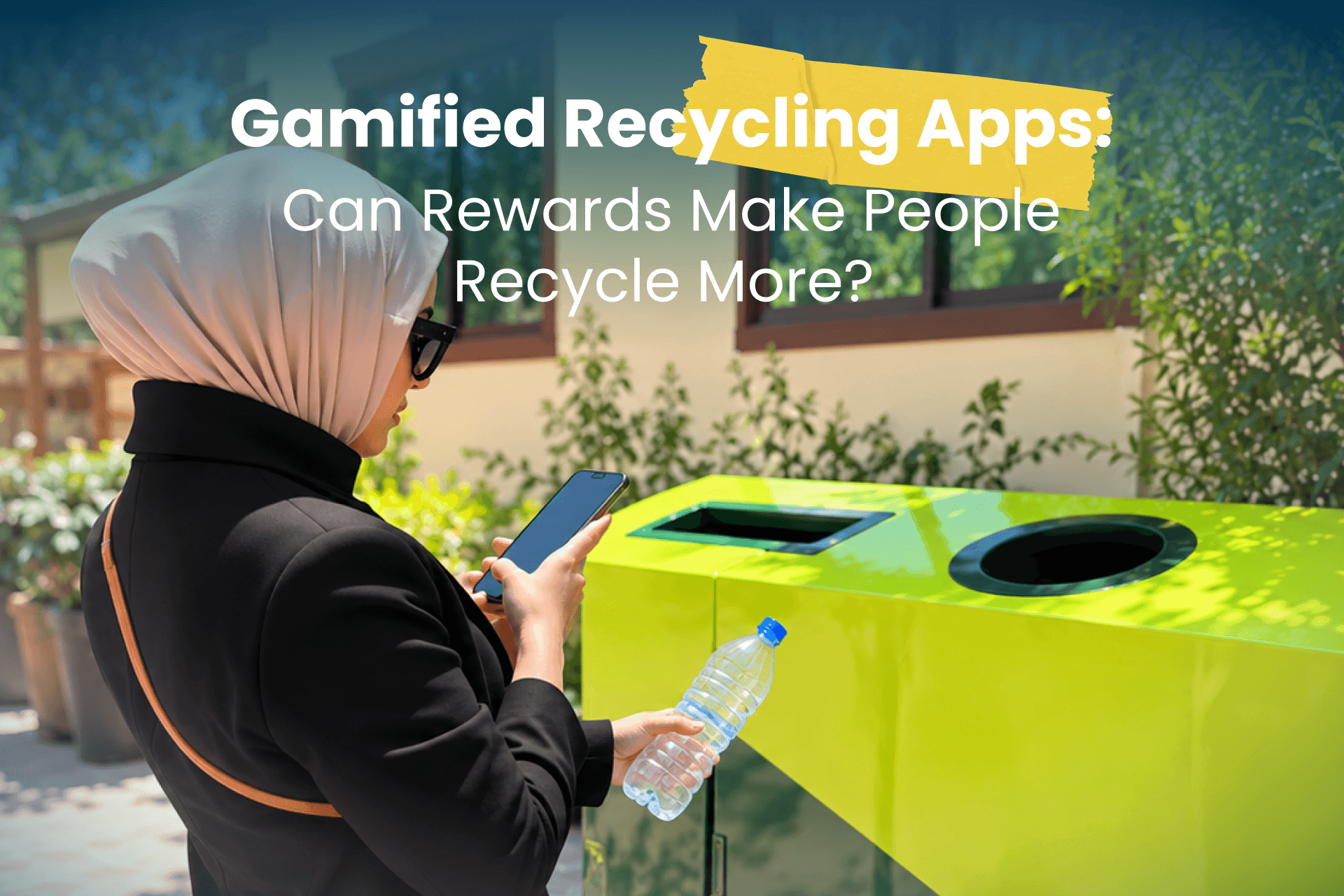
Smart bins often include interactive features that encourage participation. Gamification and reward systems can motivate users to recycle more responsibly.
By optimizing collection schedules and minimizing contamination, businesses can significantly lower waste management expenses.
One of the most powerful advantages of AI-powered bins is their ability to provide real-time insights.
Organizations can monitor:
This level of transparency helps build trust and accountability in sustainability efforts.
To better understand how these systems work in practice, explore the technology here:
See how our AI-powered smart bins work
While smart recycling bins offer many benefits, there are still some challenges to consider.
The upfront cost of implementing AI-powered systems can be higher than traditional solutions. However, the long-term savings and efficiency gains usually justify the investment.
Organizations need to ensure that smart bins integrate smoothly with their current waste management infrastructure.
Technology only works when people use it correctly. Education and awareness are essential to maximize the effectiveness of smart recycling solutions.
The future of waste management is clearly smart. As AI continues to evolve, even more advanced capabilities will emerge, such as:
These innovations will further strengthen smart waste management, making recycling more efficient and accessible.
Smart recycling bins represent a shift from reactive to proactive waste management. Instead of simply handling waste after it is created, these systems enable better decisions at every stage.
They empower individuals to recycle correctly, help businesses optimize operations, and support governments in achieving sustainability goals.
This podcast episode touches on what “closing the loop” really means in modern waste management, highlighting how AI and data are helping track waste streams more effectively. It also explains why traditional recycling systems are falling short and how businesses need to move beyond compliance to create real impact. The discussion emphasizes the importance of engaging people to build lasting, sustainable habits. You can watch the full podcast episode on this YouTube channel for deeper insights and additional perspectives.
Smart recycling bins aren’t just better than regular trash cans; they completely change the way we deal with trash. They make recycling smarter and more efficient by combining AI, data, and connectivity.
Smart recycling bins help businesses and cities be more environmentally friendly by improving sorting accuracy and providing real-time information. They cut costs, help ESG goals, and promote responsible behavior at all levels.
As adoption grows, especially in forward-thinking markets like the UAE, AI-powered recycling bins will be increasingly important for making places cleaner and smarter. The future of smart waste management lies in solutions that not only handle waste but also improve it. That future is already here.